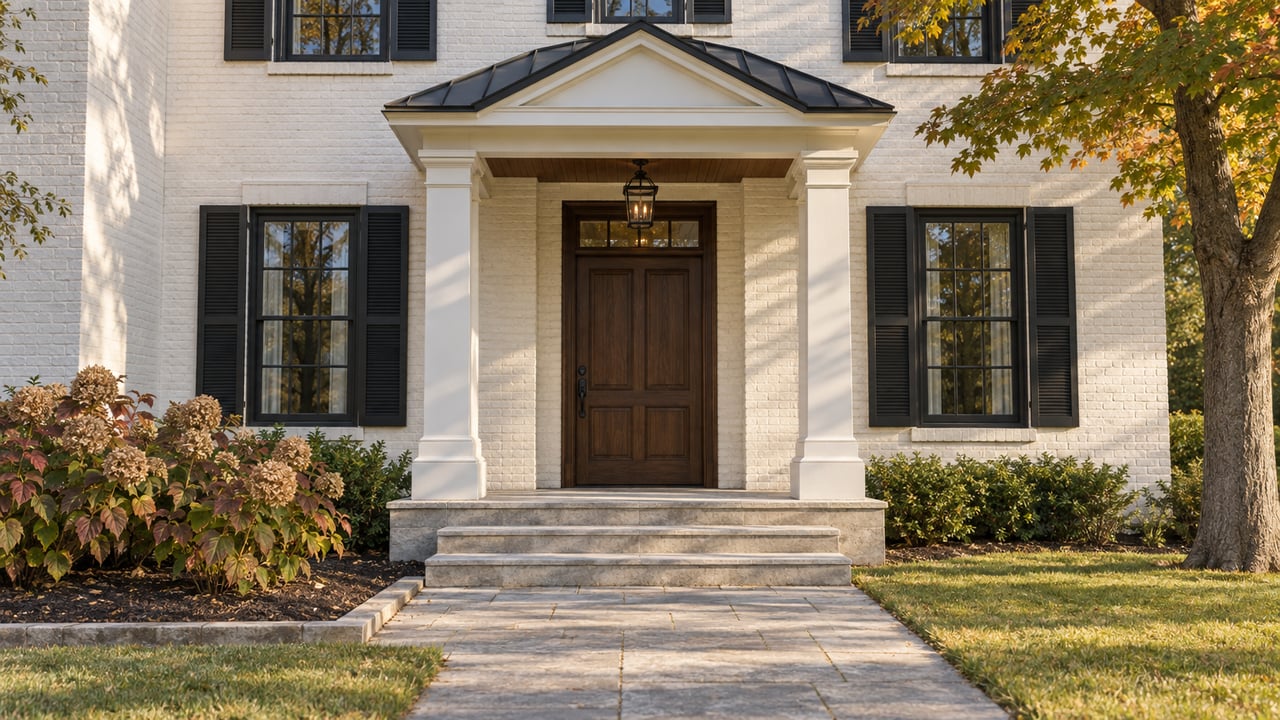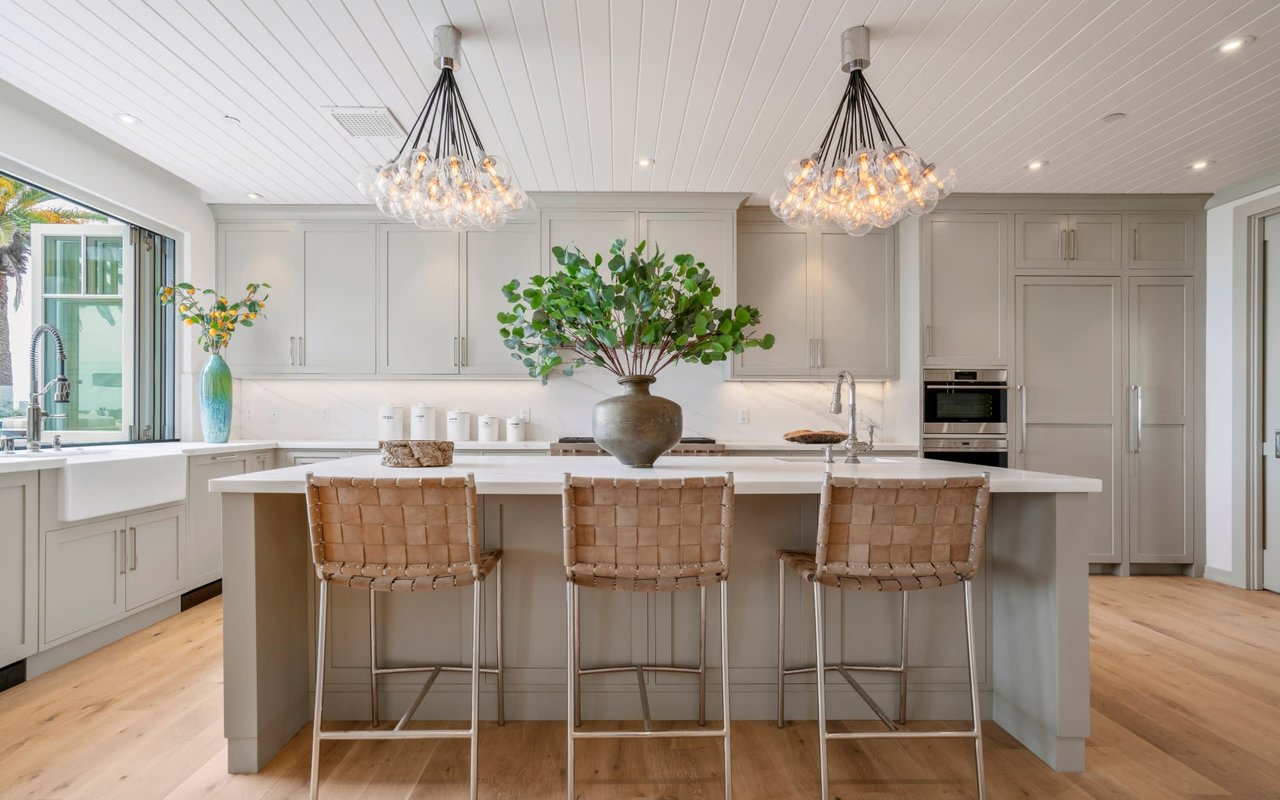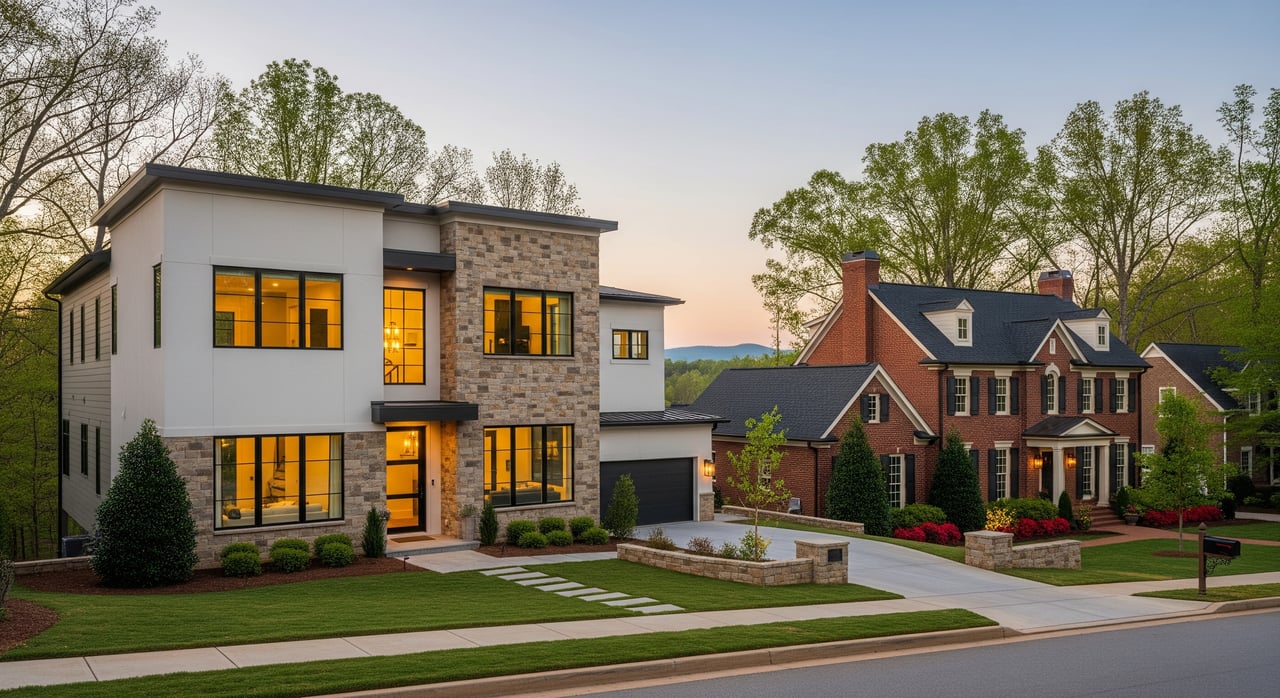
Torn between a sparkling new build and the character of an established home in Cumming? You are not alone. Many move‑up families weigh timing, budget, lake access, and HOA differences while trying to plan around school and work. This guide distills the key tradeoffs so you can choose with confidence, especially if Lake Lanier proximity is on your wish list. Let’s dive in.
How Cumming’s market shapes your choice
Cumming and Forsyth County continue to grow, drawing buyers who value strong local schools, family‑friendly neighborhoods, and easy access to outdoor recreation. Lake Lanier adds another layer, with high demand for homes near the water, community marinas, and, where allowed, private docks.
You will see a steady pipeline of new subdivisions and townhome communities across the area. National and regional builders are active, and there are also custom options on larger lots. In town and in older pockets of Forsyth, established neighborhoods offer mature trees and finished landscaping. Inventory for specific floorplans or lot styles can be tight, especially close to the lake.
Lake‑adjacent land is limited in certain corridors. That scarcity tends to push premiums for waterfront or near‑lake lots. If you want a water view or boat access, plan to evaluate pricing and permitting early in your search.
New construction vs. resale: the essentials
Pricing and value
New construction often carries a premium for modern floorplans, energy‑efficient systems, and fresh finishes. Builders may layer in overhead and upgrade costs, although incentives can offset some of the price. In Cumming, lake views and access can add notable lot premiums due to limited supply around Lake Lanier.
Resale homes may list lower on a price‑per‑square‑foot basis when finishes are comparable. That said, factor in immediate updates or maintenance such as kitchen refreshes, HVAC, or roof work. Many established neighborhoods offer larger lots and mature landscaping, which can add intangible value even when interiors need tweaking.
Tip: Compare total move‑in costs. Look at purchase price plus repairs and near‑term maintenance for resale, versus base price plus options and upgrades for new builds.
Timeline and moving logistics
If you need to move quickly, a completed spec home might be ready in weeks or a few months. A production build from lot to finish typically takes several months, often about 4 to 9 months depending on builder pace and inspections. Custom builds commonly extend to 9 to 18 months or more.
Resale timelines tend to be more predictable once you are under contract. With standard financing, many closings land in the 30 to 60 day window. If you are selling a current home, ask early about rent‑back options or flexible possession to bridge the gap.
For school‑year moves, add buffer time. Construction delays happen due to supply, labor, weather, or permitting. Build your plan around target dates, then add cushion.
Inspections, defects, and recourse
New construction usually includes multiple walk‑throughs. You may have a pre‑drywall look, a pre‑final review, and a final punch list before closing. Many production builders follow a common warranty pattern of one year for workmanship and materials, two years for major systems, and ten years for structural items. Confirm specifics in the builder contract and warranty documents.
For resale, a comprehensive home inspection is standard. In Cumming, it is smart to add termite and pest inspections, HVAC and roof assessments, and a sewer scope for older homes. If you are considering a property near the lake, pay attention to elevation, erosion control, and any past drainage notes.
Warranties and long‑term maintenance
With a new home, builder and manufacturer warranties can lower your early maintenance risk. Appliances, HVAC, windows, and the roof are new and often covered.
Resale homes may not include builder coverage unless there is a transferable warranty from recent construction. You can consider a home‑warranty policy for your first year, especially if systems are mid‑life and you want cost certainty.
HOA, community amenities, and covenants
Newer communities often feature robust amenities such as clubhouses, pools, playgrounds, fitness rooms, or gated entries. Where lake access is present, you may see community docks or marina access. These features typically come with higher HOA dues and more detailed design guidelines, including rules on paint colors, fencing, and accessory structures.
Older neighborhoods may have lower dues or none at all, with simpler amenities. Covenants can be lighter, and enforcement may vary. In lake communities, factor in shared marina fees, dock rules, and any additional permits if shoreline use is involved.
Request copies of HOA covenants, budgets, reserve studies, special assessment history, and recent meeting minutes so you understand both costs and restrictions.
Financing, incentives, and taxes
Buying a completed spec home often looks like a standard mortgage. If you build from the ground up, your lender may recommend a construction‑to‑permanent loan. Builders sometimes offer incentives such as closing cost contributions, rate buydowns, or upgrade credits. Appraisals for a new plan on a unique lot can be tricky when there are limited comparable sales nearby.
Resale purchases typically follow conventional financing with more established comps. In tighter inventory periods, negotiation room can narrow. In softer cycles, you may gain more leverage on price or credits.
Ask your advisor and lender to model your monthly payments and the impact of any incentives. Also check property tax implications. New construction assessments may reset your tax basis. Compare recent tax bills and county millage rates for a realistic forecast.
Energy efficiency and futureproofing
New homes are built to current codes and commonly deliver better insulation, windows, and HVAC performance. You may also see newer technologies like smart wiring, tankless water heaters, and efficient heat pumps.
Older homes can be brought up to similar efficiency with upgrades, although you should budget for that work. Ask for recent utility bills on resale homes to understand the baseline.
Lake Lanier specifics to know
Floodplain and insurance
Proximity to Lake Lanier can increase flood risk. Lenders may require flood insurance depending on the lot’s elevation and mapping. Review FEMA flood maps and Forsyth County overlays to understand your risk and potential costs.
Shoreline management and docks
Lake Lanier’s shoreline is managed by the U.S. Army Corps of Engineers and state agencies for certain activities. Dock permitting, maintenance, and water level fluctuations can affect usability. Your HOA may also have rules regarding boat storage and access.
Septic and sewer
Some lake‑area homes use septic systems while others connect to municipal sewer. Confirm the setup, age, and maintenance history before you buy. Septic systems have their own service schedules and replacement costs.
Resale dynamics
Waterfront premiums can boost value, but prices near the lake can be cyclical. Water quality, access changes, and lake level management influence demand over time. Focus on lot quality, usability, and long‑term neighborhood appeal.
A simple decision framework for move‑up families
Step 1: Define your priorities
Rank what matters most:
- Move‑in timing, from urgent to flexible
- Must‑have features like open layouts or a main‑floor bedroom
- Lot qualities such as privacy, trees, and proximity to the lake
- Budget and comfort with upfront costs versus ongoing maintenance
- Preference for low‑maintenance living or customization
- Tolerance for construction uncertainty and oversight
Step 2: Quick rule‑of‑thumb scenarios
New construction fits best if you want a modern floorplan, energy efficiency, and minimal early maintenance, and you can handle a multi‑month build or are willing to pay for a ready spec home. You also value robust community amenities and predictable HOA management.
Resale fits best if you need to move sooner, prefer a mature neighborhood with larger lots or established trees, want more room to negotiate, or prefer a lower HOA footprint. You are comfortable budgeting for updates and targeted renovations.
Step 3: Critical questions to ask
For new builds:
- What is the estimated completion date, and what happens if delays occur?
- What warranty is provided, and who manages punch list items after closing?
- Which incentives are available, and how do they affect your total cost?
For resale:
- Can the seller share service records, disclosures, and any recent inspection reports?
- Are there known drainage or easement issues on the lot or in the neighborhood?
- What are the current HOA fees, and what do they cover?
For both:
- Is the lot in a flood zone?
- What will your annual property taxes be after reassessment?
- How does the HOA handle capital reserves and special assessments?
Step 4: Plan for risk and contingencies
If you are building, set aside a contingency budget, often 5 to 10 percent or more, for upgrades or unforeseen costs. Add schedule buffers for weather and inspection timing.
If you are buying resale, create a renovation and repair budget for items like roofing, HVAC, plumbing, and appliances. Consider a home‑warranty policy if you want added peace of mind for the first year.
Your next steps in Cumming
- Review recent comparable sales for your preferred neighborhoods and lake‑area corridors through the local MLS. Neighborhood‑level comps matter around Lake Lanier.
- For any resale home, pull county permit history, review seller disclosures, and schedule a comprehensive home inspection. Add termite and pest, HVAC, roof, and sewer scope evaluations where appropriate.
- For any lake‑adjacent property, review FEMA and Forsyth County floodplain maps, then ask for any elevation certificates and erosion control details.
- If building, request the builder’s full contract, warranty terms, and a list of included finishes versus upgrades. Ask how punch list items are handled after closing.
- Meet with a lender who understands construction‑to‑permanent loans and local builder programs. Ask for clear estimates of monthly payments and closing costs with and without incentives.
When you are ready to compare specific properties or communities, a local advisor who works both new construction and resale can save you time and money. You can expect help coordinating inspections, permits, HOA document reviews, and, if needed, shoreline and dock questions with the appropriate agencies.
If you would like white‑glove guidance from offer to close, including access to a Builder & Developer partnerships team and a concierge approach to staging, design, and move coordination, connect with Peachtree Town & Country, LLC. Request a private, confidential consultation, and we will tailor a plan around your timing, budget, and Lake Lanier lifestyle goals.
FAQs
What should I compare when pricing new vs. resale in Cumming?
- Compare total move‑in cost: purchase price plus repairs or upgrades, early maintenance, HOA dues, and likely property taxes after reassessment.
How long does a new build typically take around Cumming?
- A completed spec can close in weeks or months. Production builds commonly run about 4 to 9 months, and custom builds often extend to 9 to 18 months or more.
What inspections are smart for resale homes in Forsyth County?
- Start with a general home inspection, then add termite and pest, HVAC and roof assessments, and a sewer scope for older homes. Consider a radon test if desired.
Do builders in Cumming offer warranties and incentives?
- Many provide a structured warranty, often one year on workmanship and materials, two years on major systems, and ten years on structural items. Incentives may include closing costs, rate buydowns, or upgrade credits.
What should I know about Lake Lanier flood and dock rules?
- Flood risk can affect insurance and lending. Shoreline use and docks are overseen by the U.S. Army Corps of Engineers and state resources, and HOAs may have additional rules.
Will a new home be more energy‑efficient than a resale?
- Generally yes, since new homes meet current code and often feature improved insulation, windows, and HVAC. Always compare actual specifications rather than assume.