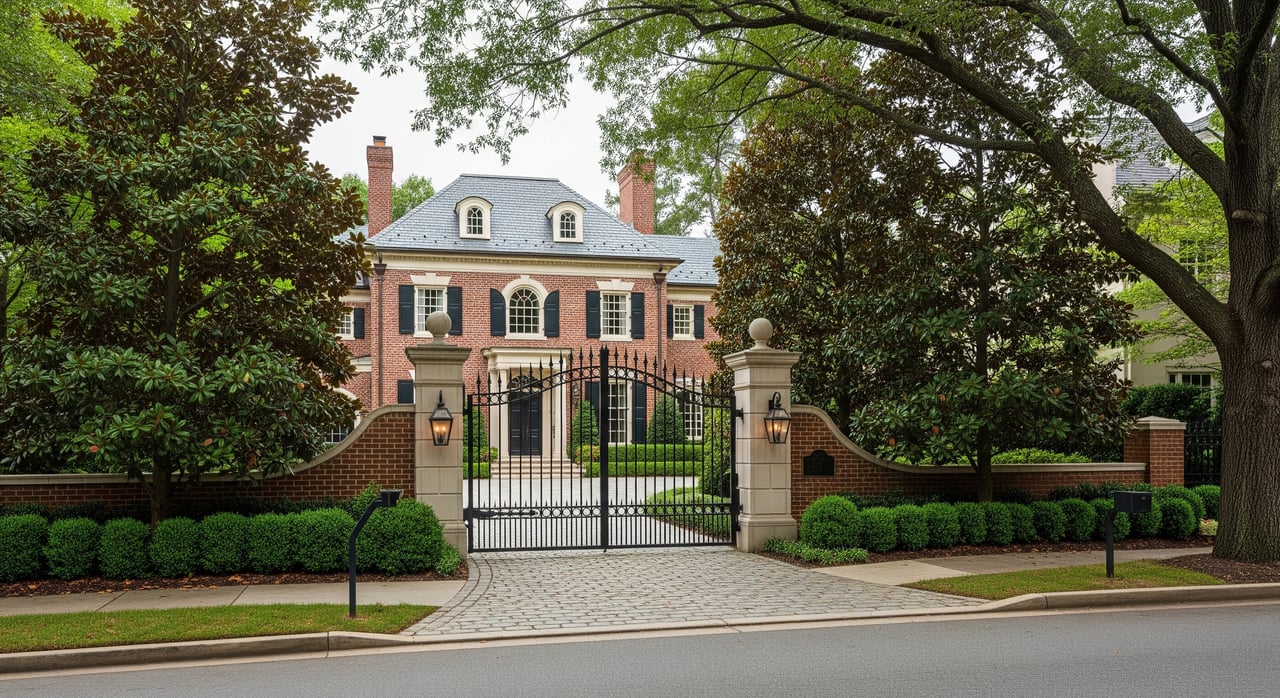
Why do two homes in Buckhead, just a few blocks apart, command such different prices? If you are buying or selling a luxury home or condo, that question is more than curiosity. It is the key to smart decisions, faster timelines, and better outcomes. In Buckhead, micro-neighborhoods shape value at a very local level. In this guide, you’ll learn how those small shifts by street, block, or building influence pricing, demand, and buyer expectations, plus a clear way to measure and act on them. Let’s dive in.
What a Buckhead micro-neighborhood is?
A Buckhead micro-neighborhood is a distinct pocket within the larger district that buyers and sellers recognize by name, feel, or function. It might be a historic enclave near Tuxedo Park-style blocks, a few streets around Chastain Park, a stretch off Paces Ferry Road, a walkable corridor by Buckhead Village or Lenox Square, or even a cluster of luxury condo towers on or near Peachtree Road. These areas are small enough that streetscape, reputation, and amenities can shift perceived value from one block to the next.
In luxury markets, buyers often pay for attributes you cannot capture in a broad zip code median. Privacy, prestige, architectural cohesion, and views all carry real premiums. For condos, building-level differences operate like micro-neighborhoods within a single block.
Drivers of luxury value by micro-neighborhood
Location and access
Proximity to Buckhead’s retail, dining, and office nodes around Buckhead Village and the Lenox area increases demand among lifestyle buyers who value walkability. Access to GA‑400, Peachtree Road, the I‑85/75 connectors, and the Buckhead MARTA station can widen your buyer pool. Prestigious corridors like Paces Ferry Road or Peachtree Road often carry an “address premium” that shows up in comps.
Lot size, privacy, and topography
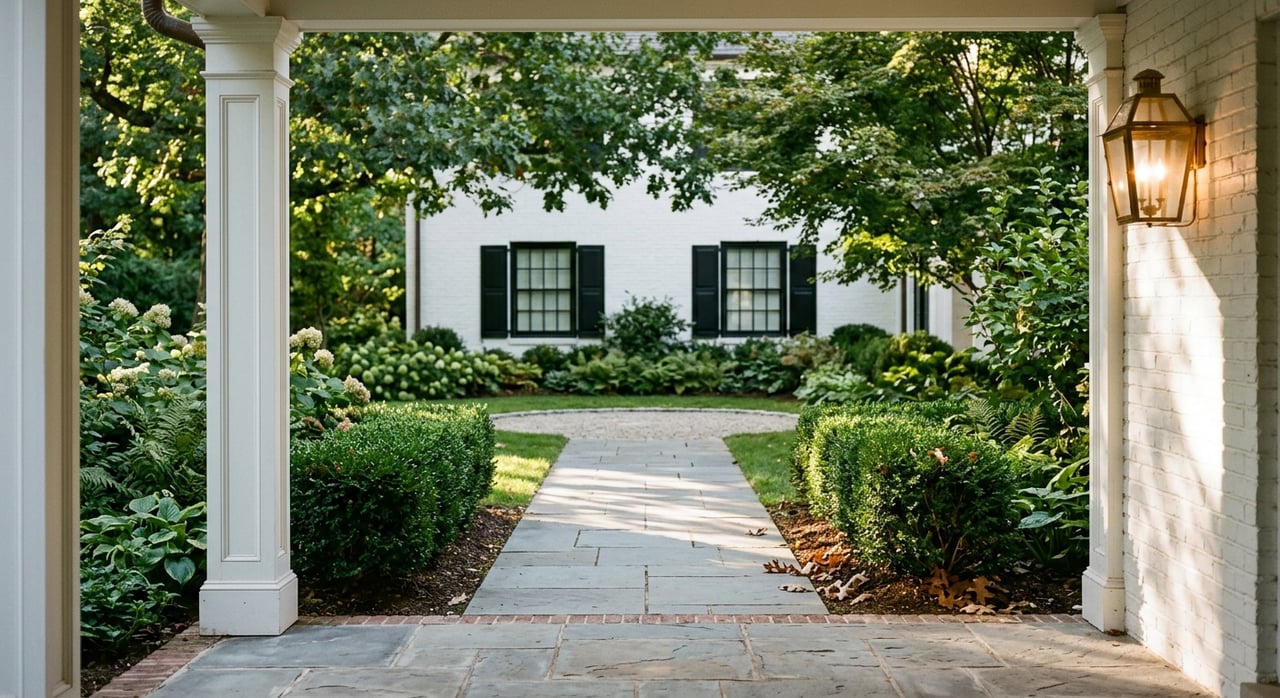
Larger lots, mature trees, and elevated settings with walls or fencing are strong value drivers for single-family estates. Privacy is a core need for many high‑net‑worth buyers. Topography, skyline views, and tree canopy outlooks can create measurable differences in price among properties only a block apart.
Housing age and architectural character
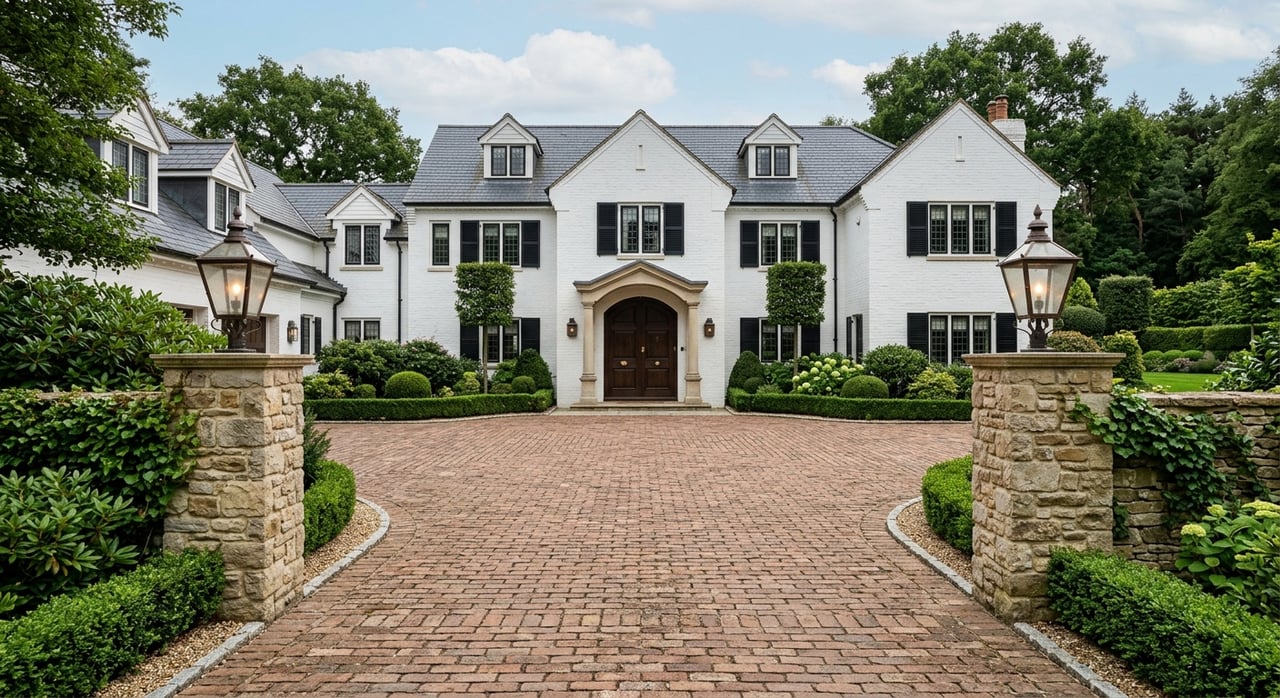
Historic or established enclaves near areas like Garden Hills attract buyers who prize original architecture and mature landscaping. New-construction pockets bring a different audience seeking modern systems and open plans. A cluster of recent luxury infill builds can lift neighborhood benchmarks, while a string of dated homes with limited updates can hold comps back.
Zoning and redevelopment potential
Parcels with favorable zoning, corner lots, or the possibility to assemble adjacent lots trade at higher per‑acre values. In Buckhead, tear‑down and rebuild activity is common, so regulatory clarity and permitted density can create a premium for both builders and end users.
Streetscape and maintenance
Well-kept streets, sidewalks and lighting, plus active merchant districts like the Buckhead Village corridors, add to the sense of urban luxury. Areas with clear investment and upkeep tend to show stronger price resilience and shallower discounts in slower markets.
Parks, private clubs, and schools
Immediate access to Chastain Park and private clubs for golf, tennis, or fitness is a magnet for sports and leisure‑oriented buyers. Public school boundaries and proximity to private schools can influence search patterns for family buyers. These factors often offset size tradeoffs when location convenience is high.
Condo building-level differences
Two condos on the same street can sell at very different prices per square foot. Brand and management, concierge services, private elevators, deeded parking, guest suites, HOA rules, and reserves all influence value. Floor level and view orientation also matter in Buckhead, especially for skyline or treetop vistas toward Midtown or the Perimeter.
Walkability and evening activation
Some buyers will pay for vibrant, walkable blocks with restaurants and cultural options. Others prefer quieter residential streets with less evening activity. Knowing which profile you fit helps you value the right attributes for your goals.
Reputation and address prestige
Named enclaves, gated lanes, or well‑known streets can carry a durable reputation premium. These reputational effects often persist across cycles and appear in a pattern of sales that maintain higher benchmarks than nearby blocks.
How to measure micro-neighborhood effects
Define a clear study area
Start with practical boundaries that matter on the ground. For a home, map your immediate block (0 to 0.1 mile), near neighbors (0.1 to 0.5 mile), and the broader Buckhead ring (0.5 to 1.0 mile). For condos, begin with the building itself and then the immediately adjacent buildings with similar amenities.
Collect the right metrics
- Sold price per square foot and median sale price in the last 6 to 12 months for each ring
- Days on market, sale-to-list ratio, and frequency of price reductions
- Lot size distribution and year-built profile for recent sales
- Count of new-construction sales to reveal supply shifts
- Condo-specific: HOA fees, parking ratios, reserves, and major amenities
- Non-price signals: dining and retail within 0.25 miles, distance to parks and the Buckhead MARTA station, school assignments, and local crime statistics.
Make thoughtful adjustments
Adjust for objective differences like square footage, beds and baths, finished basements, pools, garage count, renovations, and lot size. For qualitative factors such as prestige, views, and privacy, place them in consistent bands like minor, moderate, or significant when modeling comps. Use local MLS or appraisal guidance to keep adjustments grounded and consistent.
Build a comp set that respects the block
Start with the same micro-neighborhood and the most similar homes or units sold in the past 6 to 12 months. If supply is thin, expand outward in small steps and increase adjustments for distance and neighborhood differences. For condos, prioritize same-building comps first, then same-block buildings with comparable services and amenities.
Use reliable sources
Lean on Fulton County parcel records for lot details and ownership history, your MLS for listing and sold data, and Buckhead planning reports for retail and infrastructure context. Public portals can help with broad trends, but verify high-value comps through the MLS or official records, especially for luxury or off‑market activity.
Buyer and seller strategies
If you are buying
- Clarify deal-makers versus deal-breakers. Rank privacy, school access, walkability, and building services so you can trade space for the right location premium.
- Prepare for localized competition in prestige pockets. Have financing and inspection timelines ready for a quick, confident offer.
- For condos, evaluate same-building comps first. Review HOA financials, reserves, and rules to understand long-term value and carrying costs.
If you are selling
- Price to the right block. Anchor your list price to the immediate enclave or building comps. Misplacing the comp set is a common and costly mistake.
- Market the micro-neighborhood. Spotlight gates, mature trees, club or park access, and building services. Target outreach to high‑net‑worth networks and relocation audiences that value these specifics.
- Renovate with local alignment. Invest in updates that fit neighborhood expectations, such as period‑sensitive restorations near historic enclaves or modern kitchens in newer pockets.
Negotiation levers
- In high‑prestige enclaves, scarcity and reputation support firm pricing when comps confirm it.
- As a buyer, use objective downsides like traffic patterns, noise exposure, or dated systems to seek credits or adjustments.
- In the ultra‑luxury tier, off‑market and pocket listings are common. Sellers should weigh broader exposure against the exclusivity that can support price.
Timing and macro factors
Luxury activity often follows corporate relocations, school calendars, and tax planning. Interest-rate shifts affect mortgage demand and price sensitivity, so monitor local lender terms and buyer behavior regularly.
Research checklist for Buckhead
- Define the micro-neighborhood by streets, school boundaries, park access, or building cluster.
- Pull 12 months of sold data in concentric rings and compare price, DOM, and list-to-sale ratios.
- Gather parcel data: lot size, year built, permits, and any recent assembly or subdivision activity.
- For condos: review HOA budgets, reserves, minutes, and the condo declaration.
- Count nearby amenities and measure walk distances to dining, parks, and transit.
- Confirm public school assignments and note proximity to private schools using neutral, factual sources.
- Review Buckhead and City plans for near‑term infrastructure or zoning changes that could affect value.
- Document your comp adjustments for size, age, renovations, and qualitative attributes, and keep the methodology consistent.
Key takeaways
- In Buckhead, value is hyper-local. What you see and feel on a single block often matters as much as square footage.
- Pricing, demand, and time on market shift with walkability, privacy, streetscape, and building services.
- A disciplined, ring-based comp analysis helps you quantify premiums and negotiate with confidence.
When you are ready to buy or sell in Buckhead, a hospitality-driven, detail‑oriented approach can make all the difference. For a discreet strategy session tailored to your street, building, and goals, connect with Peachtree Town & Country, LLC. Request a private, confidential consultation.
FAQs
What is a Buckhead micro-neighborhood and why does it matter?
- It is a small, distinct area defined by streets, parks, retail nodes, or building clusters where reputation, amenities, and streetscape meaningfully influence luxury pricing and demand.
How can two nearby Buckhead homes have very different values?
- Differences in lot size, privacy, topography, street reputation, and school boundaries can create sharp price gaps, even within a few blocks.
What should I evaluate first when buying a Buckhead condo?
- Start with same-building comps, then check HOA reserves and rules, parking, service levels, and view orientation. These building factors often drive resale value.
How do I pick comps for a Buckhead estate or luxury home?
- Begin with the same block or enclave over the last 6 to 12 months, then expand outward as needed while increasing adjustments for location and neighborhood differences.
Do Buckhead address names like Paces Ferry or Peachtree affect price?
- Yes. Recognized corridors can carry a prestige premium that shows up in comparable sales and buyer demand.
How do parks and private clubs influence value near Chastain Park?
- Immediate access to recreation, trails, and club amenities can increase demand among sports and leisure‑oriented buyers, often improving marketability and pricing.
Are broad zip code medians useful for luxury decisions in Buckhead?
-
Not on their own. They can mask sharp intra‑zip variations. A micro-neighborhood analysis is essential for accurate pricing and negotiation.