If you are preparing to sell a Buckhead estate, one question tends to come up fast: should you renovate first or bring the home to market as-is? It is a meaningful decision, especially in a luxury area where presentation, timing, and pricing all affect your outcome. The good news is that you do not need a one-size-fits-all answer. You need a plan that fits your home, your timeline, and what buyers are seeing in Buckhead right now. Let’s dive in.
Buckhead Market Conditions Matter
Buckhead remains one of Atlanta’s strongest luxury markets, but it is not moving at the breakneck pace many sellers remember from the pandemic years. In 2025, Buckhead single-family homes averaged $1,801,869, with 716 sales, down 10.9% year over year. In Realtor.com’s June 2026 Buckhead report, homes were selling at about 99% of asking price with a median 61 days on market.
That shift matters because buyers have more time to compare homes. Across Metro Atlanta, the April 2026 market brief reported 19,224 active listings and 4.4 months of supply. In practical terms, that means buyers often have more options and more room to negotiate than they did a few years ago.
For higher-end Buckhead properties, there is still strong demand, but the best results often go to homes that feel current and ready. Among Buckhead’s top 10 sales, the average price was $8.4 million, and seven of those ten homes were newly built or extensively renovated. That does not mean every seller should take on a major project, but it does show how much condition can influence buyer response at the top of the market.
Why Home Condition Carries More Weight
Buyer expectations have changed. According to the 2025 Remodeling Impact Report, 46% of buyers are less willing to compromise on home condition. That helps explain why updated homes often attract stronger attention, especially when buyers are comparing multiple properties in the same price range.
The same broad trend appears in how buyers think about repairs and systems. National 2025 buyer survey data found that 42% of new-home buyers were trying to avoid renovations or plumbing and electrical issues. Among buyers purchasing previously owned homes, 23% said condition was a compromise factor.
For Buckhead estates, this usually means visible condition matters a great deal. Buyers may respond well to strong architecture, lot quality, and location, but they are often more comfortable paying a premium when the home also feels easy to enjoy from day one.
When Renovating Before Listing Makes Sense
A pre-sale renovation can make sense when your home is fundamentally strong but looks dated in places buyers notice first. If the layout works, the structure is sound, and the updates are mostly visual, selective improvements may help your property compete more effectively.
In many Buckhead homes, the most practical updates are not full-scale remodels. They are focused, high-visibility changes that improve how the home shows in person and online. This approach can be especially useful when the goal is to create a move-in-ready impression without taking on months of disruption.
Cosmetic Updates With Broad Appeal
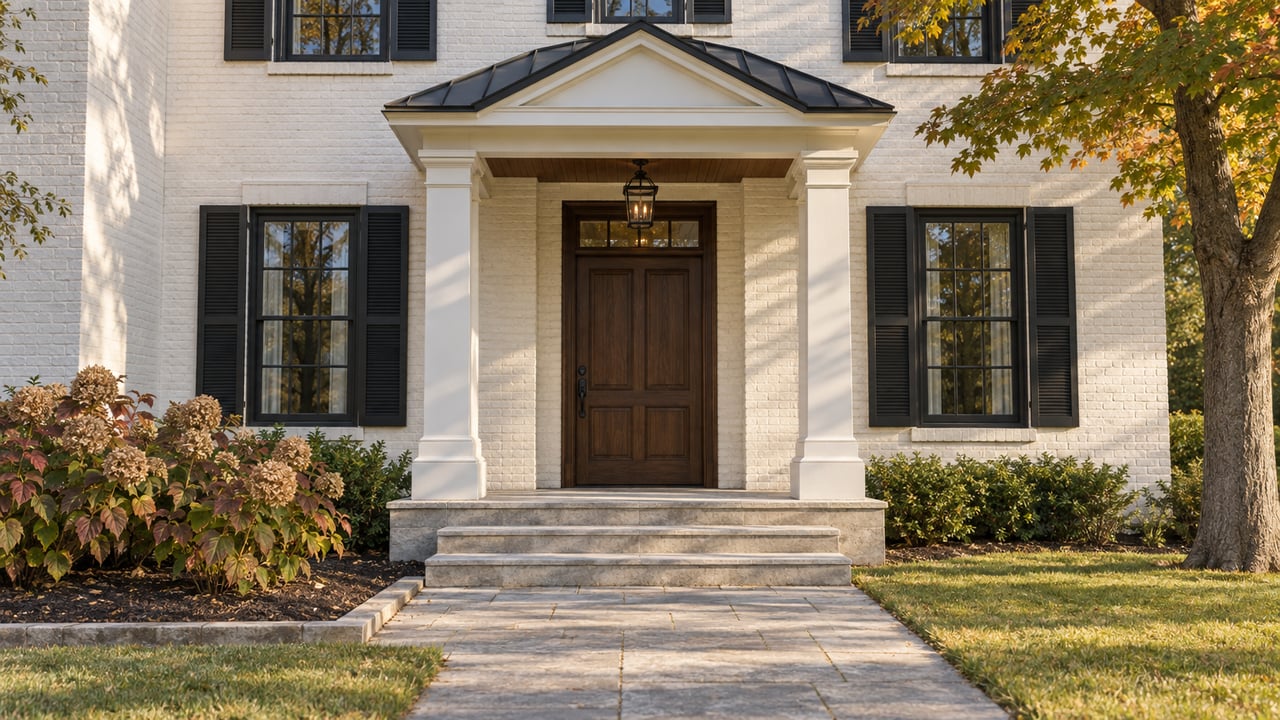
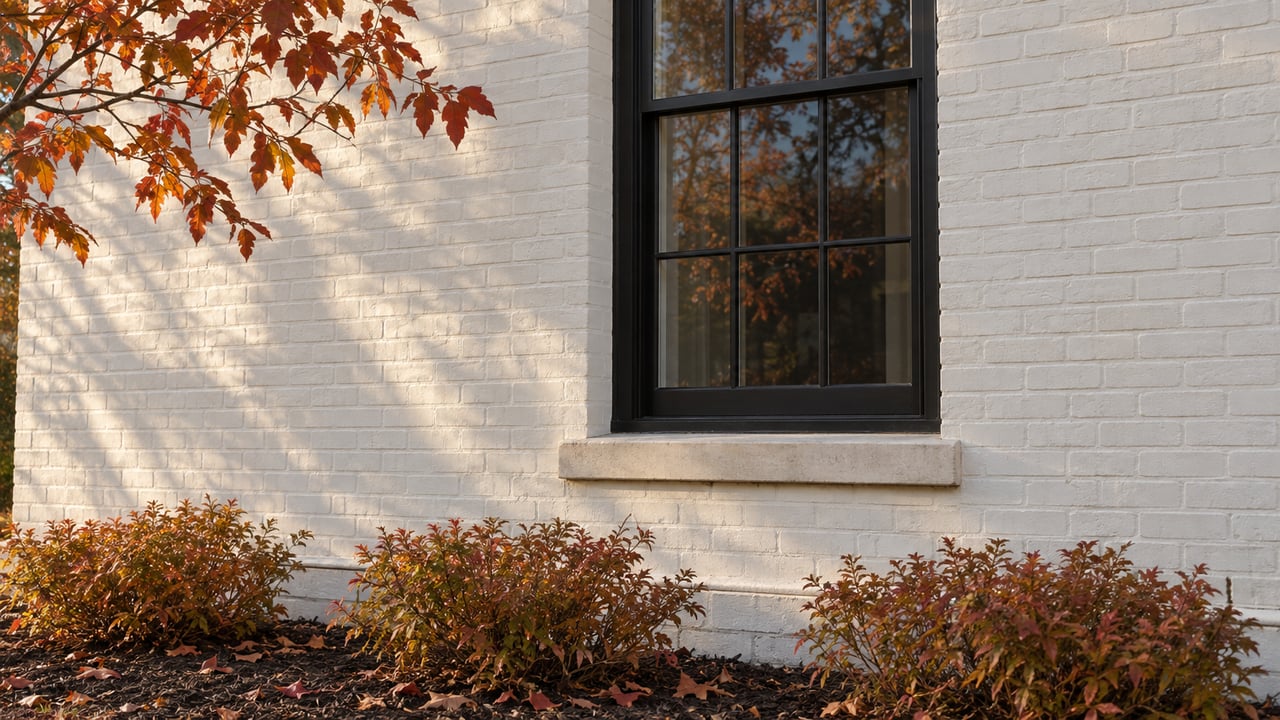
Cosmetic work is often the simplest place to start. Fresh paint, cleaner finishes, updated lighting, flooring touch-ups, and landscape cleanup can sharpen presentation quickly.
The Remodeling Impact Report found that REALTORS® most often recommend these projects before listing:
- Painting the entire home
- Painting one room
- New roofing
- Bathroom renovation
- Kitchen upgrade
These are not equal in cost or complexity, of course. Still, they point to a useful pattern: buyers tend to notice improvements they can see immediately.
Light Renovations That Can Help
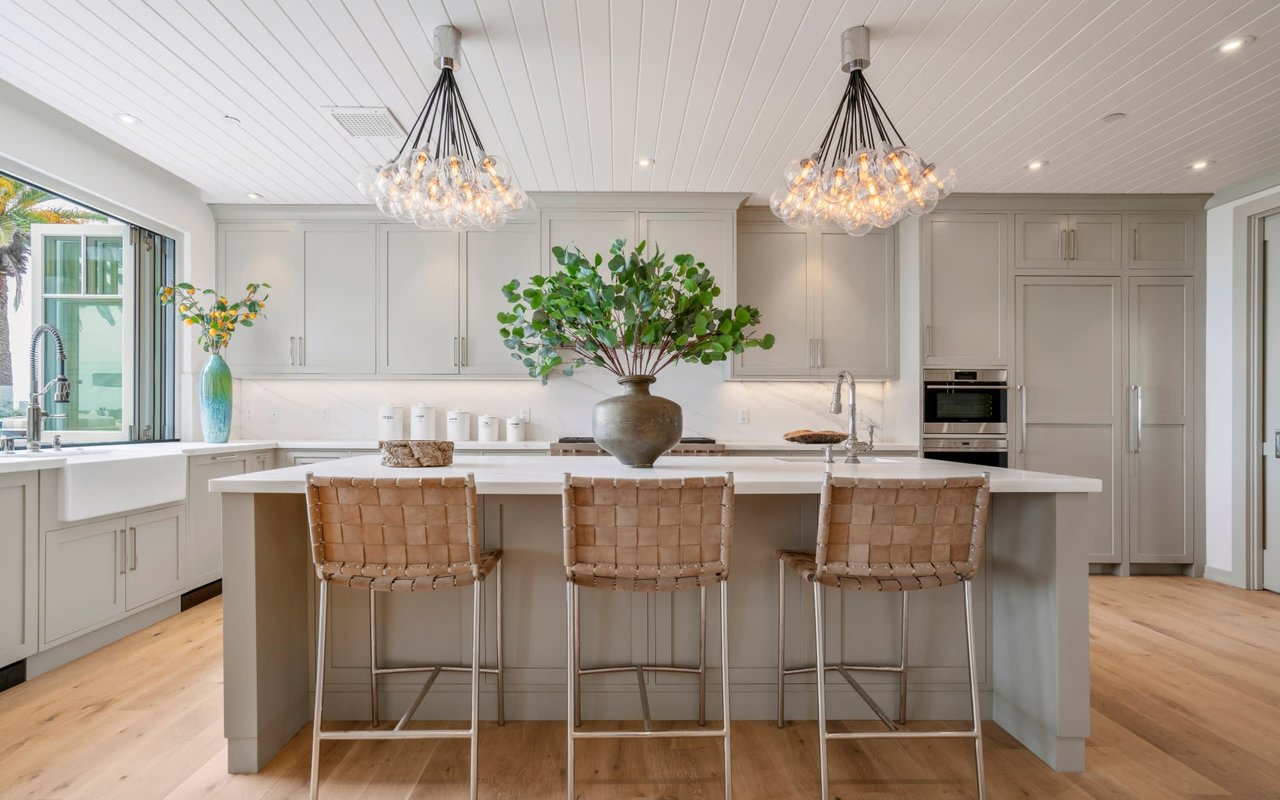
Some Buckhead estates benefit from a little more than cosmetic refresh work. If your kitchen, primary bath, guest baths, roof, or flooring feel dated, those spaces may hold back the home more than the overall architecture does.
In that case, a light renovation may be worth considering. The local sales pattern suggests that Buckhead buyers reward properties that combine timeless design with updated interiors. When the home already has strong bones, strategic improvements can help buyers focus on the property’s strengths instead of its future project list.
When Selling As-Is May Be Smarter
Selling as-is can be the right decision when simplicity matters more than perfect presentation. If you are managing a move, handling an estate transition, or working with a compressed timeline, taking on renovation work may add more stress than value.
This path can also make sense when the home would need heavier upgrades to meet current tastes. If the likely work involves systems, layout changes, or a larger design overhaul, the cost, time, and coordination can rise quickly.
In a more balanced market, buyers often expect a price adjustment when a property needs updates. That is the central trade-off. With an as-is sale, you may save time and avoid project risk, but some of the home’s unrealized presentation value often shifts into price.
Pricing Discipline Becomes Critical
If you sell as-is, pricing needs to be especially thoughtful from day one. NAR reports that homes priced correctly from the start sell nearly five times faster, typically 10 days versus 46 days for homes that later require a price cut.
That matters in Buckhead because buyers are comparing condition closely. A well-priced as-is listing can work, but only if the launch quality, photography, and pricing strategy are aligned with what the home offers in its current condition.
Atlanta Permits Can Affect Your Timeline
Before you commit to pre-listing work, it helps to understand where a simple refresh ends and a more involved project begins. In Atlanta, some general repairs are exempt from permitting, including interior painting, floor or wall coverings, and certain cabinet replacement work.
However, electrical, plumbing, and HVAC work requires permits when those systems are installed, repaired, or replaced. The City of Atlanta also notes that historic or landmark districts may have narrower exemptions and additional review.
For Buckhead sellers, this creates a practical dividing line. A cosmetic plan may stay fairly simple, while trade-related work or exterior changes can add time, approvals, and coordination. If your timeline is tight, that distinction is important.
A Simple Decision Framework For Buckhead Sellers
Most renovate-or-sell decisions come down to four variables: condition, time, scope, and buyer expectations. Looking at each one clearly can help you avoid over-improving, under-preparing, or mispricing your home.
1. Evaluate Current Condition
Ask whether the home is mainly dated or whether it has deeper issues. If the property shows well structurally and the main concerns are cosmetic, targeted updates may be the strongest path.
If the home needs systems work, major bath or kitchen overhaul, or exterior changes, the project can become more complex. In that case, selling as-is may offer more certainty.
2. Consider Your Timeline
If you have flexibility, you may have room to complete focused improvements before listing. If your move is tied to a deadline, renovation delays can create pressure.
The more compressed your schedule, the more appealing a clean, well-priced as-is strategy can become. Speed and simplicity have real value.
3. Match Scope To Likely Return
Not every dollar spent before listing will produce the same result. In many cases, visible updates such as paint, lighting, flooring touch-ups, and landscaping offer a clearer payoff than a large, open-ended remodel.
The goal is not to make the house brand new at any cost. The goal is to remove obvious friction so buyers can appreciate the home’s best qualities.
4. Think Like A Buckhead Buyer
In this market, many buyers want homes that feel ready. That is especially true in higher price bands where expectations for finish and condition are often elevated.
If your home already offers exceptional location, architecture, or lot value, buyers may still respond well without updates. But if comparable homes nearby look fresher, your strategy should account for that reality through either selective improvements or sharper pricing.
The Best Choice Is Usually Selective
For many Buckhead estates, the answer is not a full renovation or a pure as-is sale. It is a selective middle ground. A polished presentation, a few visible updates, and disciplined pricing can often do more than a large project with uncertain timing.
That is especially true in a market where buyers have more choices and stronger expectations around condition. You do not need to update everything. You need to understand which changes will matter most to the likely buyer for your home.
A thoughtful plan should reflect your property’s current state, the level of work required, and how similar homes are performing in your part of Buckhead. In a segmented luxury market, that kind of neighborhood-level judgment is what helps sellers protect both time and value.
If you are weighing whether to renovate or sell as-is in Buckhead, a private strategy conversation can help you choose the path that fits your goals with less guesswork. Peachtree Town & Country, LLC offers concierge-minded guidance, elevated presentation, and discreet support tailored to high-value homes and life transitions.
FAQs
Should you renovate before selling a Buckhead estate?
- It depends on your home’s condition, your timeline, and the level of work required. If the home is mostly cosmetically dated, targeted updates may help. If the work is more complex or permit-heavy, selling as-is may be the cleaner option.
What updates matter most before listing a home in Buckhead?
- Visible improvements often have the most impact, including fresh paint, updated lighting, flooring touch-ups, landscaping, kitchen upgrades, bathroom updates, and in some cases roofing.
Can you sell a Buckhead home as-is in a balanced market?
- Yes, but pricing and presentation become even more important. In a market where buyers have more choices, an as-is home usually needs a strategy that reflects its current condition clearly and competitively.
Do Buckhead buyers prefer move-in-ready homes?
- Current data suggest many buyers are less willing to compromise on condition than in prior years. Buckhead’s highest-value recent sales also skewed toward newly built or extensively renovated homes.
Do you need permits for pre-listing renovations in Atlanta?
- Some general repairs, such as interior painting and certain floor or wall covering work, may be exempt. Electrical, plumbing, and HVAC work typically require permits, and some areas may have additional review requirements.
How long are Buckhead homes taking to sell?
- Realtor.com’s June 2026 Buckhead report described the area as a balanced market with a median 61 days on market and homes selling for about 99% of asking price.