Is your Milton estate ready for market, but you are unsure where to set the price? In a luxury segment with acreage, barns, and lifestyle features, the wrong number can stall momentum and invite appraisal problems. You want a strategy that attracts qualified buyers, justifies value, and navigates financing with confidence. This guide shows you how to price in the right bracket, select smarter comps for acreage and equestrian amenities, prepare for appraisal, and position against new construction. Let’s dive in.
Milton luxury market context
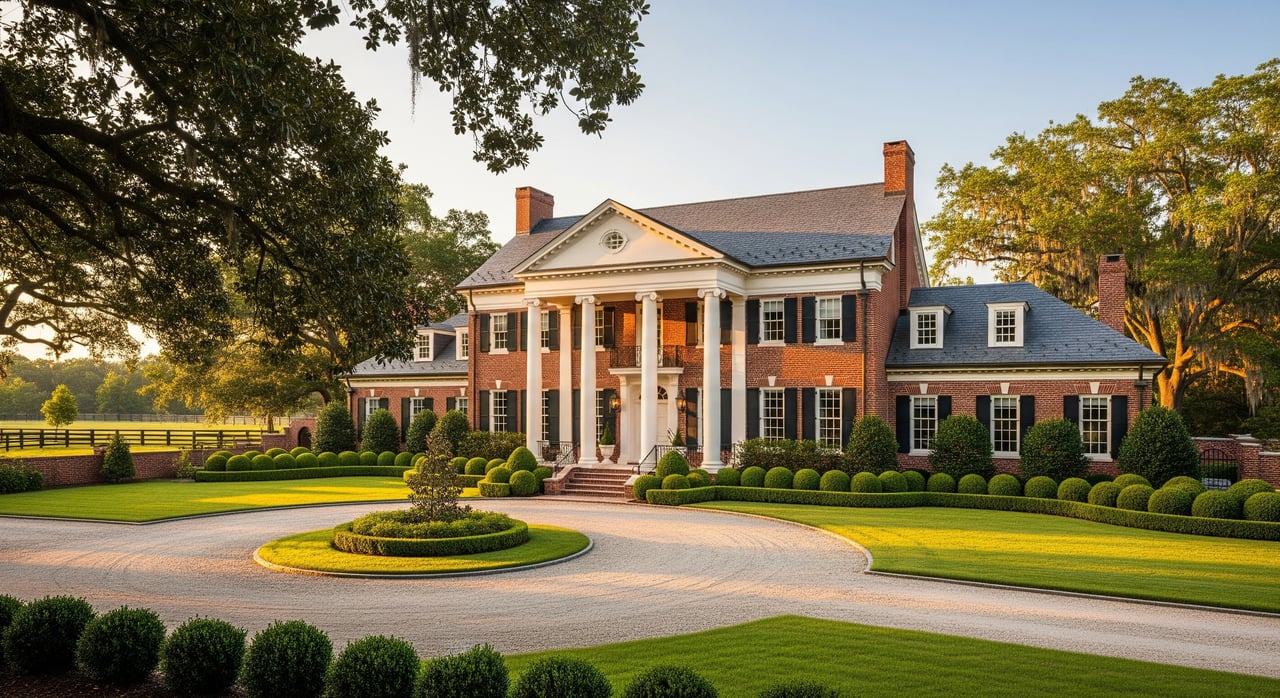
Milton sits in North Fulton with a strong equestrian heritage, large-lot zoning, and a luxury tier that often begins around the million-dollar mark. Properties can include significant acreage, barns and outbuildings, fencing, and trail access that define lifestyle value. For background on the community’s character, explore the City of Milton’s official site.
Luxury buyers here often include local executives, business owners, and lifestyle-driven purchasers seeking privacy and equestrian function. Many transactions close with cash or jumbo financing, which influences appraisal dynamics and negotiation leverage. Inventory for acreage properties is typically thin, so comparable sales are less frequent and valuations are more sensitive to outliers and time adjustments.
Use bracket pricing to drive demand
Listing within the right price band helps you capture the largest pool of qualified buyers without overexposing appraisal risk. In Milton, buyer search behavior often clusters in logical brackets such as just under seven figures, low to mid seven figures, and above.
Entry vs aspirational bands
- Entry band: Price near recent comps to widen your audience and spark early activity. This can produce more showings and competitive offers, often leading to stronger terms.
- Aspirational band: List on the higher side only when you have clear advantages over comps and can support them with an appraisal strategy. Use when multiple active buyers exist or when improvements and land position the home at the top of the set.
Mind round-number thresholds
Crossing a round number can change which buyers see your property in search filters. For example, sub-million searches capture a different audience than one million plus. Be intentional about where you land relative to common filter cutoffs.
Time-test your price
In thin luxury markets, an attractive initial price that generates momentum can outperform a high price that later needs cuts. If you choose an aspirational band, offset the risk with documentation and an appraisal plan to support value and protect the deal.
Build the right comps for acreage
Acreage and equestrian amenities are not standardized in MLS fields, so comp quality matters. When direct comparables are scarce, expand the radius thoughtfully and document your adjustments.
Match what matters
Prioritize attributes that materially affect value:
- Acreage and usable acres, excluding steep slopes or wetlands.
- Equestrian features, such as stall count, arena type, and turnout paddocks.
- Barn and outbuilding quality, including construction, storage, and finished spaces.
- Fencing type and condition, since safety and durability influence equestrian utility.
- Access and trails, such as private or community trail connections and easements.
- Utilities and infrastructure, including well vs municipal water, septic capacity, and driveway quality.
- Zoning and restrictions that affect use and future improvements.
- Location within Milton relative to main corridors and overall setting.
Stretch the radius with care
If the immediate area lacks recent sales, widen the search to nearby North Fulton communities and apply transparent time and location adjustments. For closed sales and market activity, rely on local MLS data sources such as FMLS and Georgia MLS. Keep a comp set of 6 to 10 closed, pending, and relevant active listings with maps, photos, and notes that explain the adjustments.
Use cost-based support
When unique improvements create gaps in the sales comparison approach, add elements of the cost approach. Outline replacement values for barns, arenas, fencing, or major systems. This helps quantify features that buyers want but that are hard to comp directly.
Manage appraisal sensitivity
Acreage estates can face wider variance in appraisals because appraisers must reach farther for comparables and make larger adjustments. That can create gaps when an accepted price exceeds appraised value.
Why appraisals swing
- Limited comp volume means broader search areas and more subjective adjustments.
- Lender panels for jumbo loans may assign appraisers with limited equestrian experience, which can lead to under-valuation of improvements.
- Market shifts between comp dates and contract date can be difficult to document without a strong narrative.
Mitigation playbook
- Get a pre-listing appraisal or a desktop review from an experienced local appraiser to identify the likely valuation ceiling. Guidance from the Appraisal Institute can inform best practices for unique properties.
- Prepare an appraisal package with a curated comp set, cost documentation for significant improvements, and a narrative describing usable acreage and equestrian features.
- Discuss financing early. Cash or certain jumbo structures can reduce dependence on appraisal outcomes. The National Association of Realtors offers resources on financing and appraisal gaps.
- Encourage the buyer’s lender to assign an appraiser with acreage or equestrian experience when possible.
- Negotiate with contingencies in mind. Consider appraisal gap language or pre-agreed options if the appraisal lands below contract price.
Compete with new construction
New builds often win on turnkey finishes, warranties, and energy efficiency. Builders may also offer incentives that improve the net cost to the buyer. For context on incentives and buyer preferences, see the National Association of Home Builders.
Show total buyer value
- Compare total cost: new construction price plus lot premiums and options versus your resale price, especially when your property includes acreage and equestrian infrastructure.
- Quantify replacement costs for barns, arenas, and fencing so buyers see real numbers, not just features.
- Highlight mature landscaping, established trails, and privacy that new subdivisions rarely match.
- Provide documentation on recent system updates to reduce perceived maintenance risk.
Tactical pricing moves
- If new construction is active in a nearby price band, consider pricing to spotlight value per acre and per improvement. A slight edge on price, paired with a cost-to-replicate analysis, can shift buyer perception.
- Match the lower end of competing new builds while offering allowances that move older systems closer to “new,” such as a high-quality home warranty or targeted upgrade credits.
Listing preparation checklist
Pre-listing
- Order a pre-listing appraisal or experienced broker valuation focused on acreage and equestrian value drivers.
- Build a comp book with 6 to 10 strong comparables, maps, photos, sale dates, and adjustment notes.
- Gather documentation for equestrian features and recent capital investments, including invoices and permits.
- Update surveys and any soil or wetlands reports that support usable acreage claims.
- Repair and refresh visible value drivers, such as fencing, barn roofing, and tack spaces.
Launch and negotiation
- Choose your price bracket using pre-list guidance and set a defined evaluation window of 30 to 45 days before major adjustments.
- Prepare your appraisal strategy and buyer contingency options in advance.
- Market to niche audiences, including equestrian associations and advisors with rural buyer pools, to increase the odds of qualified offers.
Appraisal to close
- Provide the comp book and site tour to the appraiser when possible.
- Share replacement cost estimates for outbuildings and proof of recent system updates.
- If the appraisal is low, prioritize solutions that preserve the transaction, such as buyer cash supplementation, seller credits, or presenting new pending data.
A hospitality-grade approach to value
Pricing a Milton estate is part market science, part narrative. You need the right bracket, a disciplined comp set, an appraisal plan, and a compelling value story that stands up against new construction. A concierge process that anticipates lender questions, documents improvements, and markets to the right buyer pool can protect your time and your proceeds.
Ready to price with confidence? Request a private, confidential consultation with Peachtree Town & Country, LLC.
FAQs
What defines luxury pricing in Milton, GA?
- In the local context, the luxury tier often begins around one million dollars, with many properties offering acreage and equestrian amenities.
How does bracket pricing work for Milton estates?
- You choose a price band that targets buyer search behavior and appraisal realities, then monitor early momentum to confirm or adjust the strategy.
How should I comp acreage and barns in Milton?
- Start with acreage and usable land, then adjust for equestrian features, barn quality, fencing, and trail access. Add cost-based support for unique improvements.
How can I reduce the risk of a low appraisal?
- Get a pre-listing appraisal, prepare a thorough comp and cost package, and seek buyers and lenders familiar with equestrian properties.
How do I position my resale estate against new builds?
- Present a total cost-to-replicate analysis, highlight land and established amenities, and price to emphasize value per acre and per improvement, with clear documentation.